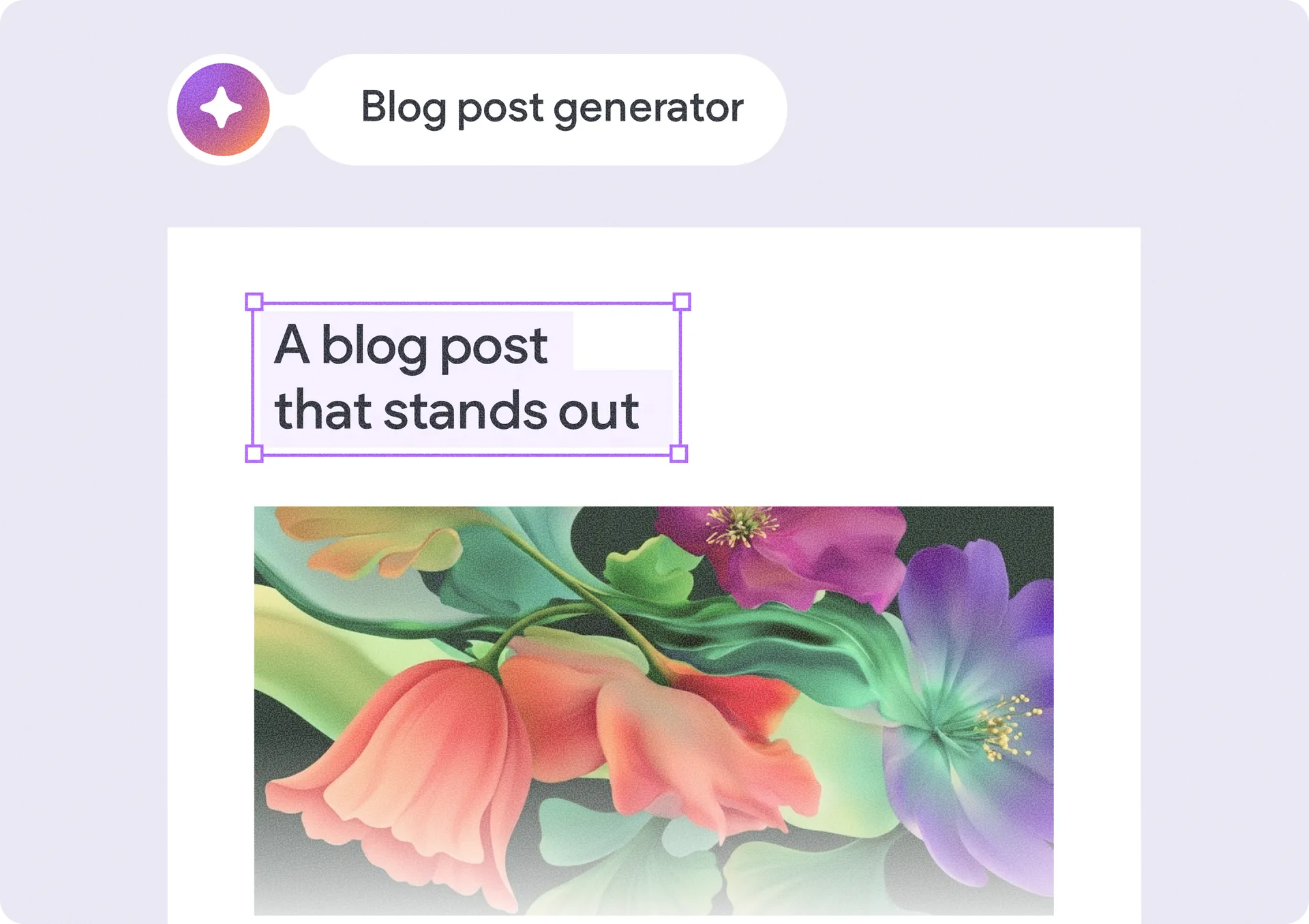
Winning Content and SEO/AEO Visibility
Search visibility is evolving quickly. It’s not just about ranking in Google’s blue links anymore. AI-powered answer engines like ChatGPT, Perplexity, and Google’s AI Overviews are now major drivers of discovery.
Across both traditional search and AI-driven results, one principle is becoming clear: visibility depends on having enough high-quality, useful content. For agencies managing multiple clients, the real challenge is not understanding this shift, but scaling it.
The foundation: more content drives visibility
Recent data, including our own research, highlights how strongly content volume impacts performance. Sites with blogs see about 253% more traffic from crawlers than those without. When content scales further, the impact becomes even more dramatic—sites with more than 50 blog posts receive up to 3,200% more crawler visits than sites with no blog at all.
This matters because crawling is the gateway to visibility. The more a site is crawled, the more opportunities it has to be indexed, cited, and surfaced in both search results and AI-generated answers. Blogs remain one of the most effective and scalable ways to build this content foundation.
The reality: creating content at scale is difficult
While the value of content is clear, producing it consistently is not. Agencies face constant pressure to deliver high-quality blog posts, maintain publishing schedules, and do it across dozens or even hundreds of client sites.
Content production quickly becomes time-consuming and expensive. Even when a strong content foundation is in place, the work does not stop there.
Freshness is now a requirement, not an advantage
Once content exists, its relevance becomes the next challenge. AI models and modern search systems show a strong preference for recent and updated information.
A recent Ahrefs study shows that large language models consistently prioritize newly published or refreshed content. In the study, they concluded that AI assistants cite content that is ~25% fresher than traditional search results. Older content does not just plateau in performance; it gradually loses visibility.
In addition, analyses suggest that recently updated content, especially within the last few months, is significantly more likely to be cited by AI systems.
This means freshness is no longer a competitive edge—it is a baseline requirement for both SEO and AEO (Answer Engine Optimization).
The growing gap for agencies
Agencies are now expected to do two things at once: create enough content to establish visibility, and continuously update that content to maintain it. Doing both efficiently and at scale is where most workflows begin to break down. This is exactly the gap our latest updates are designed to address.
Introducing AI-generated, full-length blog posts (beta)
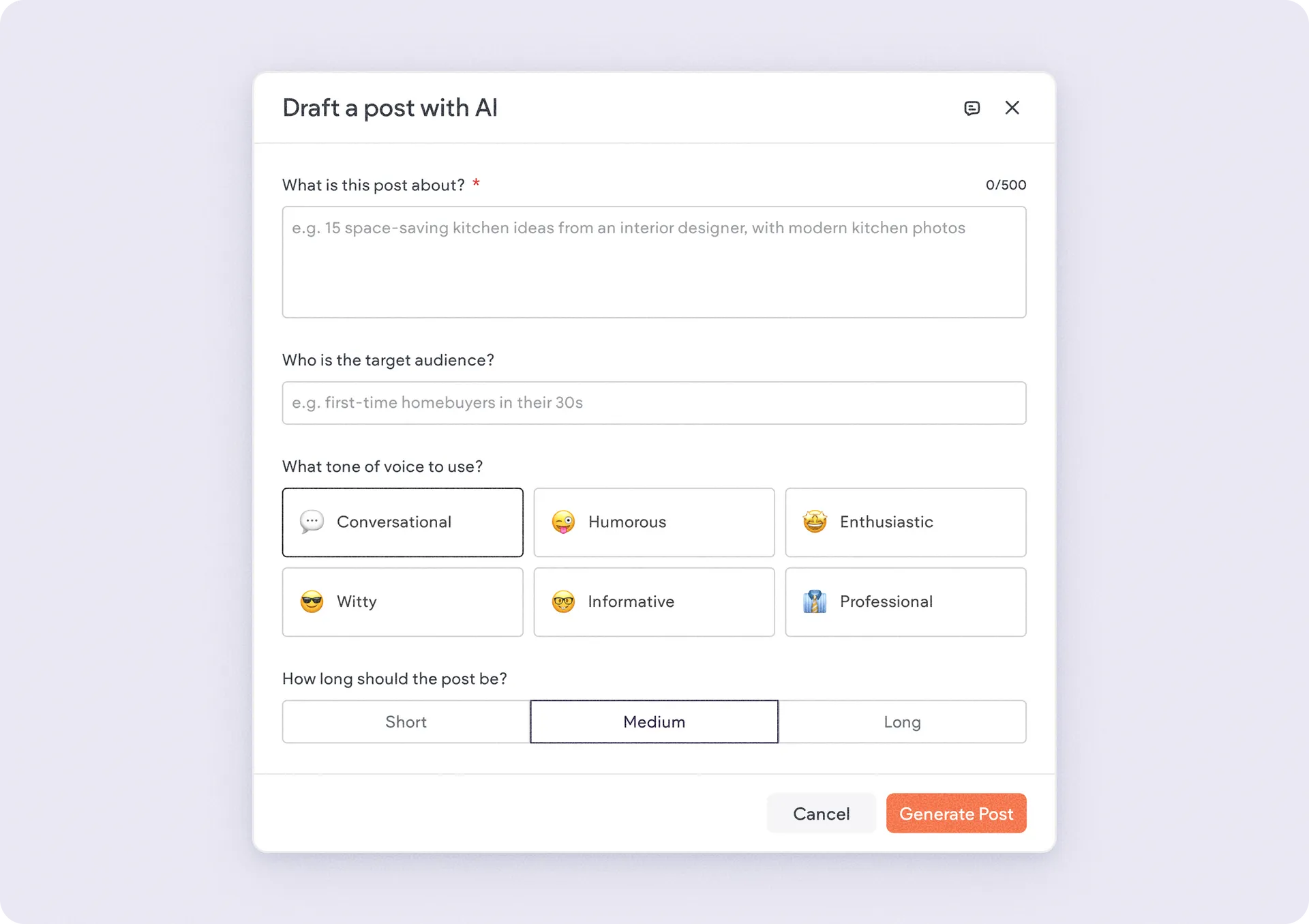
Our new AI blog generation feature is built to help agencies create content faster without sacrificing quality. With just a few inputs, you can generate complete, publish-ready blog posts that include both text and relevant images.
This makes it significantly easier to launch blogs for sites that do not yet have one, build a strong content foundation quickly, and maintain consistent publishing over time. It also reduces the operational cost of content creation, allowing teams to scale their efforts across more clients.
Getting started is simple:
Navigate to your site’s blog.
Click New Post and select the option to draft a post with AI.
Describe the post's topic, set your preferences, and you'll get a full drafted post with content and images ready for your review.
Smarter insights with the Blog Content Freshness theme
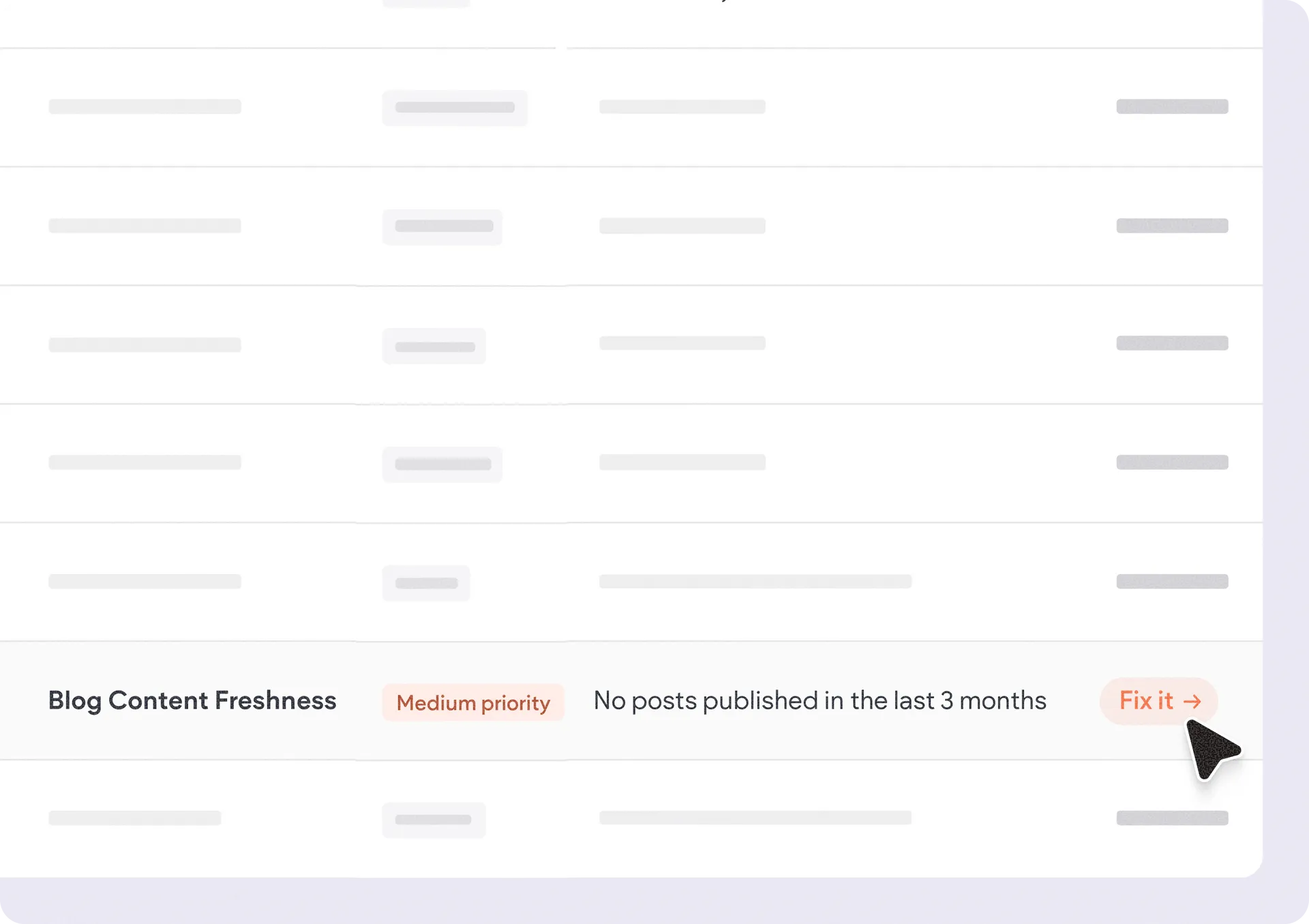
Creating content is only part of the equation; knowing when content needs attention is just as important.
To support this, a new theme has been introduced within Site Audit (previously known as SEO Overview). The Blog Content Freshness theme helps identify issues that impact both SEO and AEO performance.
The site audit tool now flags:
No blog on the site → Encourages adding a blog to establish content authority
Site has blog but no posts → Prompts you to create and publish your first post
Outdated content (3–10 months old) → Signals posts should be updated and republished
Low publishing frequency → Encourages steady, consistent content creation
Each issue includes a direct link to fix it, making optimization faster and easier at scale.
Expanding local visibility with the Area Served schema field
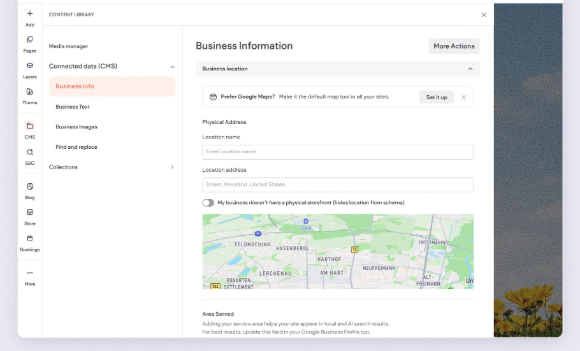
In addition to content-focused improvements, support for the Area Served schema field has been introduced within the Content Library’s Business Info section.
This allows agencies to define the geographic areas a business serves, whether that is a specific city, region, or broader service area. This is particularly valuable for service-based businesses that do not operate from a traditional storefront but still need to appear in local search and AI-driven results.
What this update supports:
Hybrid businesses: Show both a physical address and service areas.
Service-area-only businesses: Optionally hide the location’s street, postal code, and geo coordinates from site schema while displaying coverage areas.
Looking ahead
Search is shifting from static rankings to dynamic answers. As this shift continues, success will depend on two key factors: building enough content to be discoverable and keeping that content fresh to remain relevant.
With these updates, you can meet both demands efficiently and at scale.
Was this article helpful?
That’s Great!
Thank you for your feedback
Sorry! We couldn't be helpful
Thank you for your feedback
Feedback sent
We appreciate your effort and will try to fix the article